health
Mar 8, 2026
Life without periods: Liberating or a new challenge?
-Minal Sancheti
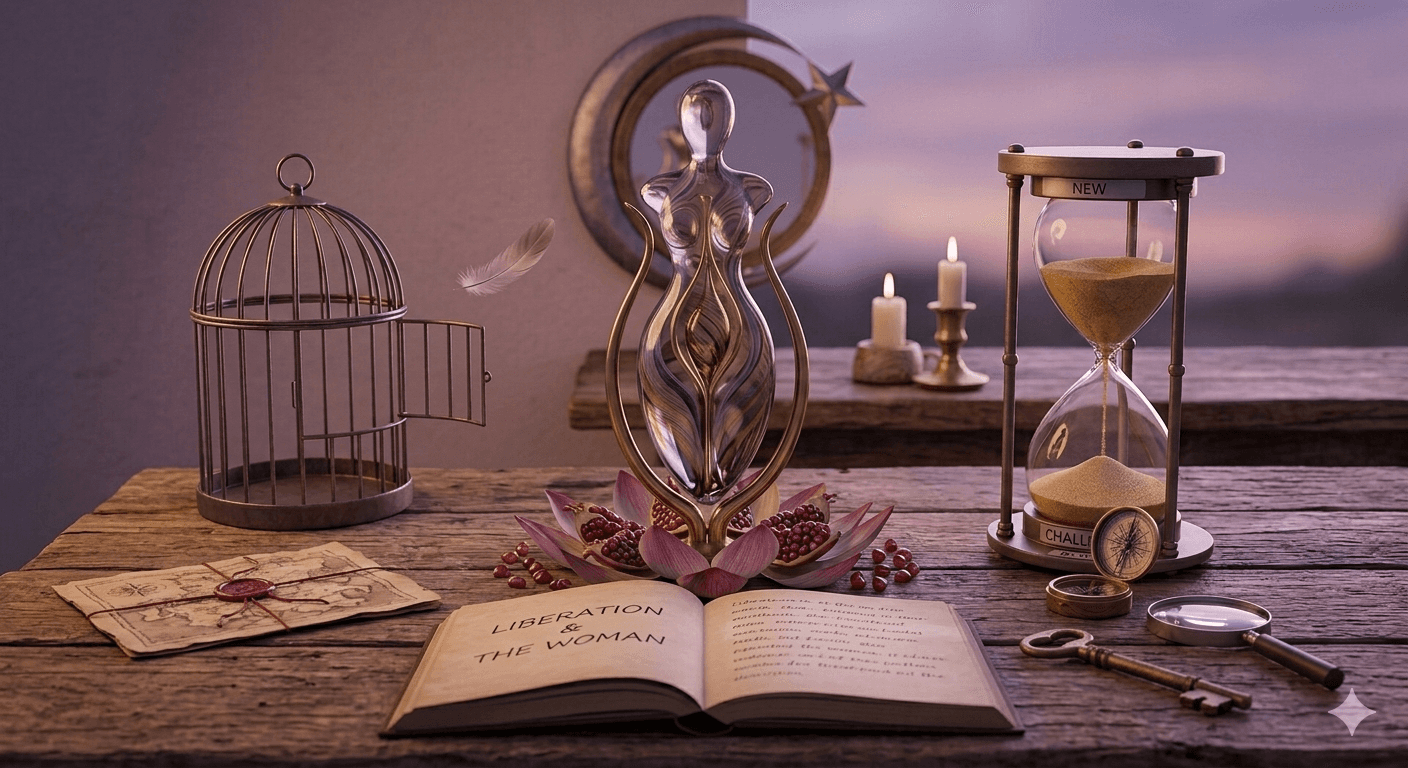
For many women, menstruation is far from a routine biological process. The menstrual cycle can bring migraines, body aches, fatigue, and intense abdominal cramps. In the days leading up to a period, many also experience premenstrual syndrome (PMS), which includes mood swings, irritability, and emotional distress. Beyond physical discomfort, periods can also be inconvenient and unpredictable. They may arrive during an important meeting, while travelling, or at other inconvenient moments, making everyday life more challenging.
Because of these difficulties, the idea of a life without periods—whether through menopause or a surgical procedure such as a hysterectomy—can sound appealing.
For some women, the end of monthly cycles brings a sense of relief and freedom from the routine discomfort associated with menstruation that is when they hit menopause.
Journalist Cynthia Stephen describes menopause as a largely positive experience in her own life. “Indeed, menopause is a good thing,” she says. While she experienced some irregular bleeding toward the end of her cycles, she had relatively few of the symptoms commonly associated with menopause, such as severe hot flashes or mood swings. For someone who travelled frequently for work, the end of monthly periods was particularly convenient. Without the need to plan around her menstrual cycle, she felt a significant sense of relief.
Similarly, Pratignya, an artist, homemaker, and blogger, experienced a new sense of freedom after undergoing a hysterectomy. Coming from a family of four sisters, she recalls how their menstrual cycles were synchronised, bringing a predictable wave of mood swings and irritability every month. “It was like a big, crazy bug hitting all of us at the same time,” she says. For years, the family treated this shared experience as a normal part of life.
After her surgery, however, Pratignya discovered just how much her routine had revolved around managing periods. One of the greatest reliefs was no longer needing to constantly plan around menstrual hygiene and pain management. “No pads, no painkillers, no hot water bottles,” she says. The physical discomfort of rashes caused by sanitary products also disappeared. Simple habits changed too—she no longer had to set alarms to change pads every few hours or carry extra supplies wherever she went.
The change even influenced her clothing choices. Earlier, she preferred dark-coloured jeans and long tops, partly for comfort and security during her period. After the surgery, she felt free to experiment with lighter colours and different styles. “Now I wear light grey trousers and white T-shirts,” she says, noting how small lifestyle choices began to feel easier.
While these experiences highlight the relief that can come from the end of menstruation, doctors caution that the transition is not always simple. Menopause and hysterectomy both bring significant changes to the body, largely because of a drop in the hormone estrogen.
According to gynaecologist Dr. Ranjana Dhanu, menopause affects women from head to toe. Estrogen plays a key role in regulating many bodily functions, and when its levels decline, several changes can occur. One common symptom is hot flashes—sudden feelings of warmth accompanied by sweating. These can be particularly uncomfortable in professional or social settings where the temperature around a woman may feel normal to others.
Hormonal changes can also influence emotional well-being. Estrogen helps maintain a balance between hormones associated with positive and negative emotions. When estrogen levels fall, this balance shifts, sometimes leading to mood swings, irritability, crying spells, and heightened sensitivity. In some cases, women experiencing these symptoms may be misunderstood or wrongly labelled as having psychiatric issues.
Dr. Dhanu emphasizes that menopause is a natural biological transition, not a mental illness. She stresses the importance of counselling, emotional support, and understanding from family members during this phase. With proper guidance and support, women can manage the emotional and psychological aspects of menopause more effectively.
Beyond mood changes, menopause can also bring physical health concerns. Reduced estrogen levels may lead to weight gain around the abdomen, vaginal dryness, reduced sexual desire, and painful intercourse. Women may also experience frequent urinary infections or urinary leakage. Over time, the decline in estrogen can increase the risk of osteoporosis (weak bones), heart disease, and even neurological conditions such as Alzheimer’s disease.
Because of these potential complications, Dr. Dhanu advises against assuming that life without periods automatically means complete freedom from health concerns. While PMS affects roughly 20 to 30 percent of women, the long-term effects of estrogen deficiency can influence many different aspects of health. “We cannot generalise that if there are no periods, women are completely free and liberated,” she explains. The benefits and drawbacks must always be considered carefully.
Hysterectomy, too, has its own set of challenges. Pratignya recalls that the initial recovery period after her surgery was physically and emotionally difficult. She developed a urinary tract infection shortly after returning home and had to undergo medical tests and antibiotics. The emotional effects were also intense. “The mood swings immediately after the surgery were brutal,” she says, recalling how small issues sometimes triggered overwhelming reactions.
These experiences highlight an important reality: while the end of menstruation can bring relief from monthly discomfort, it often introduces a new set of physical and emotional adjustments. Painful periods, dependence on painkillers, and the unpredictability of menstrual cycles may disappear, but hormonal changes can create other challenges that women must learn to manage.
Experts suggest that lifestyle changes can help women navigate this phase more comfortably. Regular exercise—such as yoga or Pilates—can support physical health, strengthen bones, and improve mood. Counselling, open communication, and strong family support can also play an important role in helping women adapt to the emotional and psychological changes that may accompany menopause.
Ultimately, life without periods can feel liberating for some women, but it is not without its complexities. Like many aspects of health, the experience varies from person to person. Understanding both the relief and the challenges involved allows women to approach this stage of life with realistic expectations, proper medical guidance, and the support they need to maintain their well-being.